
Protein plays a critical role in nearly every aspect of health, from supporting muscle repair and growth to keeping you feeling satisfied between meals. Whether you’re looking to build muscle, manage hunger more effectively, or simply eat a more balanced diet, incorporating a variety of high-protein foods makes it easier to meet your needs. Here are ten excellent sources worth adding to your regular rotation.
Animal-Based Protein Sources
Eggs
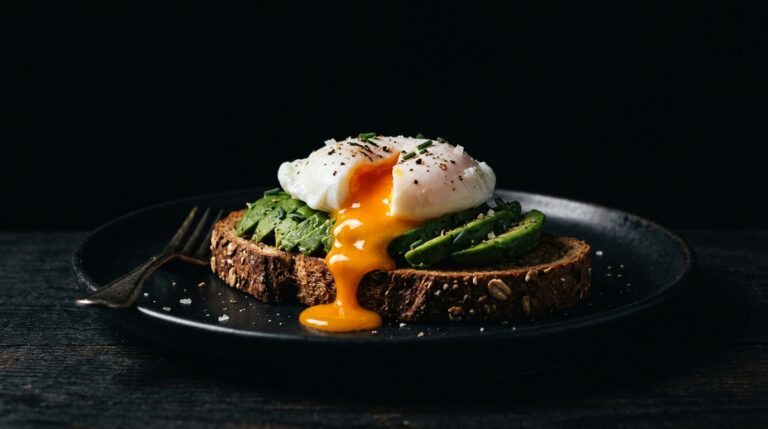
Eggs are one of the most versatile and nutrient-dense protein sources available, offering a complete amino acid profile along with important vitamins and minerals, making them a convenient option for nearly any meal.
Chicken Breast
A lean, widely available protein source, chicken breast is a staple in many high-protein diets due to its versatility and relatively low fat content compared to other meats.
Greek Yogurt
Greek yogurt contains significantly more protein than regular yogurt, thanks to its straining process, while also offering beneficial probiotics that support gut health.
Fish, Particularly Salmon and Tuna
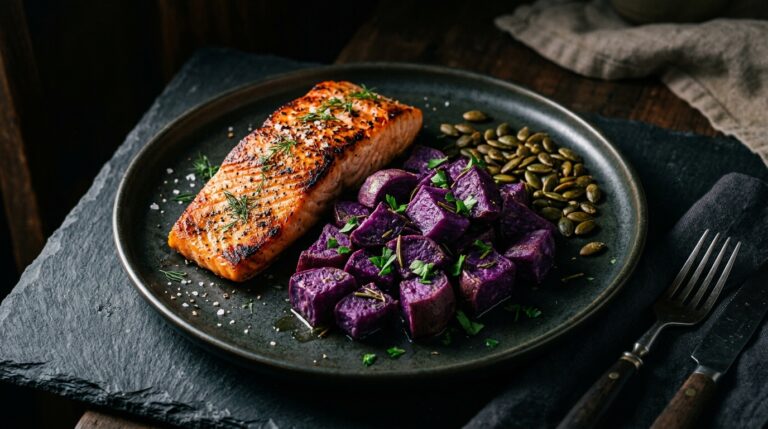
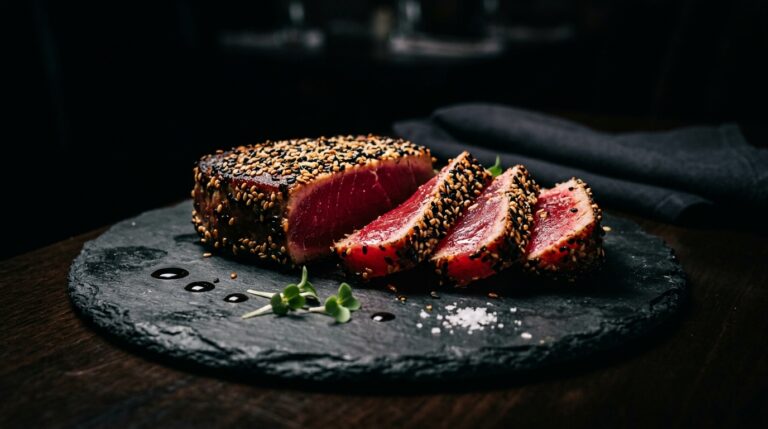
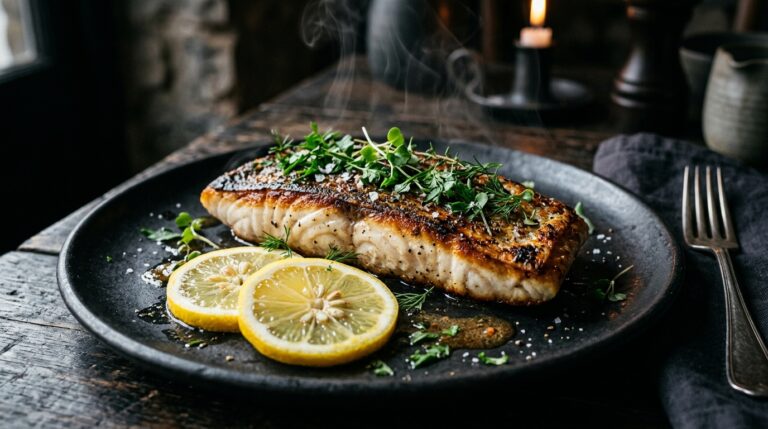
Beyond their protein content, fatty fish like salmon offer valuable omega-3 fatty acids, supporting heart and brain health alongside muscle maintenance.
Cottage Cheese
Often overlooked, cottage cheese is packed with protein and digests slowly, making it a great option for sustained satiety, particularly when eaten before bed or between meals.
Plant-Based Protein Sources
Lentils
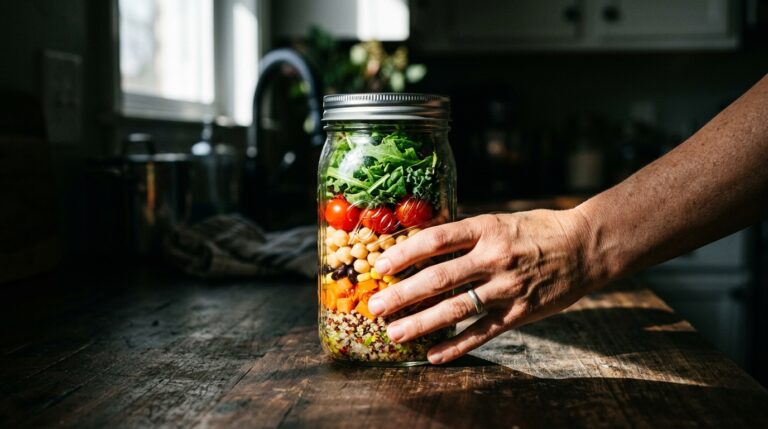
Lentils offer an impressive combination of protein and fiber, making them a filling, nutrient-dense option that works well in soups, salads, and grain bowls.
Chickpeas
Versatile and rich in both protein and fiber, chickpeas can be used in numerous dishes, from hummus to roasted snacks to hearty salads.
Tofu and Tempeh
These soy-based products offer complete plant proteins and absorb flavors well, making them adaptable ingredients across a wide range of cuisines and cooking methods.
Quinoa
Unlike many grains, quinoa provides a complete protein profile, along with fiber and essential minerals, making it a valuable addition to plant-forward meals.
Nuts and Seeds
Almonds, peanuts, chia seeds, and hemp seeds offer protein alongside healthy fats, making them convenient, nutrient-dense additions to meals and snacks.
Tips for Incorporating More Protein into Your Diet
Include Protein at Every Meal
Rather than concentrating protein intake into one large meal, spreading it across breakfast, lunch, and dinner supports more consistent energy levels and satiety throughout the day.
Combine Plant Proteins for Completeness
Pairing plant-based proteins like grains and legumes together, such as rice and beans, helps ensure a more complete amino acid profile for those relying primarily on plant sources.
Choose Minimally Processed Options When Possible
Whole food protein sources generally offer more nutritional value than heavily processed protein products, though processed options can still have a place depending on individual needs and convenience.
Balance Protein with Other Nutrients
While protein is important, pairing it with fiber-rich carbohydrates, healthy fats, and vegetables creates more balanced, satisfying meals overall.
Final Thoughts
Incorporating a variety of high-protein foods, both animal and plant-based, into your diet supports muscle health, sustained energy, and overall satiety throughout the day. By rotating through different sources and including protein consistently across meals, you can build a diet that meets your nutritional needs while still offering variety and flexibility in what you eat.