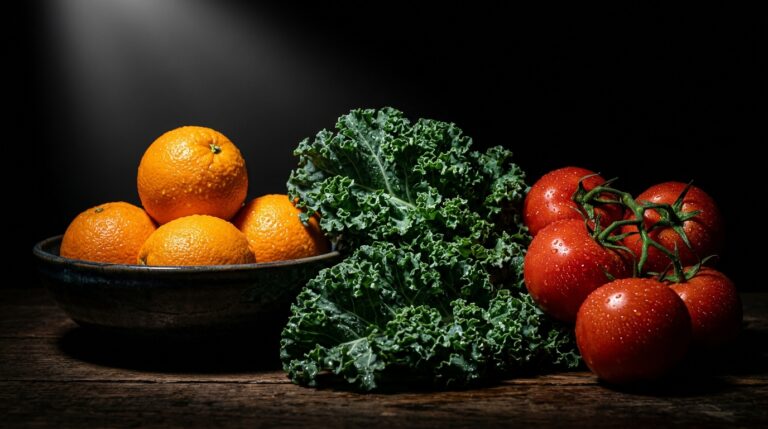


Nutritional needs shift throughout different stages of a woman’s life, influenced by hormonal changes, reproductive health, and evolving physical demands. While general healthy eating principles apply broadly, certain nutrients and dietary considerations deserve particular attention when it comes to supporting women’s health specifically. Here’s a practical look at nutrition strategies that support overall well-being across different life stages.
Foundational Nutrients Worth Prioritizing
Iron for Energy and Blood Health
Women, particularly those who menstruate, are at higher risk for iron deficiency due to regular blood loss. Incorporating iron-rich foods like lean meats, legumes, and leafy greens, ideally paired with vitamin C-rich foods to enhance absorption, supports healthy energy levels and blood health.
Calcium and Vitamin D for Bone Health
Bone density becomes an increasingly important consideration as women age, particularly after menopause. Prioritizing calcium-rich foods like dairy, fortified plant milks, and leafy greens, alongside adequate vitamin D from sunlight or dietary sources, supports long-term bone health.
Folate for Reproductive Health
Folate plays a crucial role in reproductive health and is particularly important for those who are pregnant or may become pregnant, supporting healthy fetal development. Leafy greens, legumes, and fortified grains are valuable sources of this essential nutrient.
Supporting Hormonal Balance Through Nutrition
Balanced Blood Sugar for Hormonal Health
Eating balanced meals with adequate protein, fiber, and healthy fats helps support stable blood sugar levels, which plays a role in overall hormonal balance and can help ease some of the fluctuations associated with the menstrual cycle.
Healthy Fats for Hormone Production
Adequate intake of healthy fats, from sources like avocados, olive oil, nuts, and fatty fish, supports the body’s ability to produce and regulate hormones effectively.
Nutrition Across Different Life Stages
During Reproductive Years
Balanced nutrition supporting stable energy, adequate iron intake, and sufficient folate helps support overall reproductive health and can ease some common symptoms associated with the menstrual cycle.
During Pregnancy
Nutritional needs increase significantly during pregnancy, particularly for folate, iron, calcium, and overall calorie intake, making it especially important to work closely with a healthcare provider to ensure appropriate nutrition throughout this stage.
During and After Menopause
As estrogen levels decline, bone health and cardiovascular health become increasingly important considerations, making adequate calcium, vitamin D, and heart-healthy nutrition particularly relevant during this life stage.
Practical Nutrition Strategies
Build Balanced, Consistent Meals
Prioritizing meals with a combination of protein, fiber-rich carbohydrates, and healthy fats supports stable energy and overall nutritional adequacy throughout the day.
Stay Adequately Hydrated
Proper hydration supports numerous bodily functions and can also help ease certain symptoms related to hormonal fluctuations, such as bloating or fatigue.
Incorporate a Variety of Nutrient-Dense Foods
Rather than focusing narrowly on any single nutrient, incorporating a wide variety of whole foods, vegetables, fruits, whole grains, lean proteins, and healthy fats, supports comprehensive nutritional needs.
Addressing Common Nutritional Gaps
Being Mindful of Common Deficiencies
Iron, vitamin D, and calcium are among the nutrients women are more commonly deficient in, making it worth paying particular attention to these areas, especially for those following restrictive diets or with limited food variety.
Considering Individual Needs
Factors like age, activity level, reproductive stage, and any existing health conditions all influence individual nutritional needs, meaning personalized guidance often provides more relevant, actionable recommendations than generic advice alone.
The Value of Professional Guidance
Working with Healthcare Providers or Dietitians
Given the significant variation in nutritional needs across different life stages and individual circumstances, consulting a healthcare provider or registered dietitian can help identify specific areas that deserve particular attention based on your personal health profile.
Final Thoughts
Women’s nutritional needs evolve throughout different life stages, influenced by hormonal changes, reproductive health, and aging. By prioritizing key nutrients like iron, calcium, vitamin D, and folate, alongside balanced, consistent eating patterns, women can support their overall health and well-being through each stage of life.
For personalized nutrition guidance, particularly during pregnancy or significant life transitions like menopause, consulting a healthcare provider or registered dietitian offers the most relevant, individualized support.