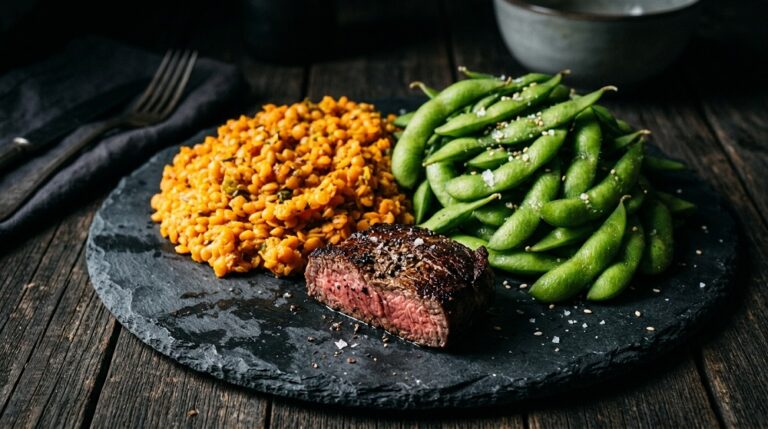

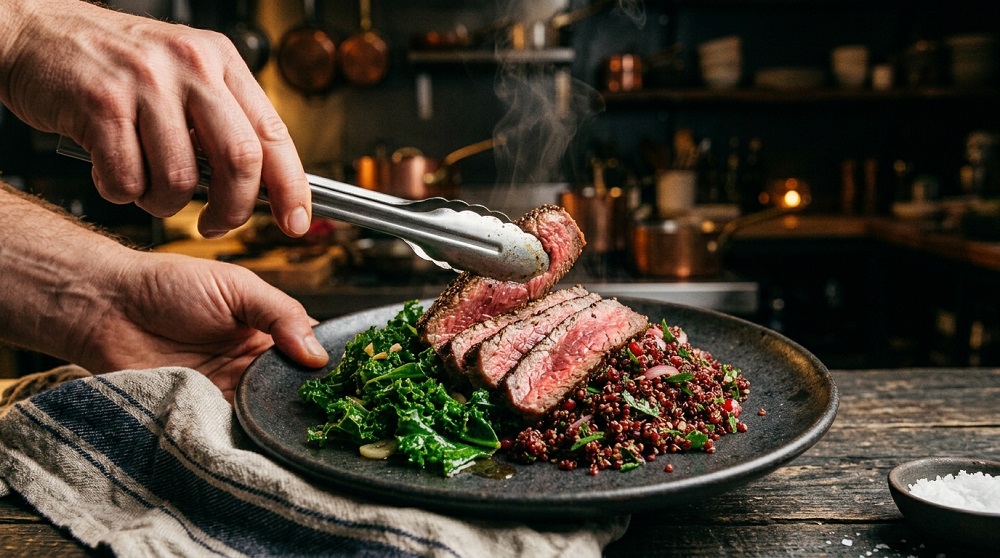
While many general nutrition principles apply broadly, certain dietary considerations are particularly relevant to men’s health, supporting everything from muscle maintenance to hormonal balance to long-term disease prevention. Understanding these specific nutritional priorities can help men build eating patterns that genuinely support their overall wellness.
Nutrients That Deserve Particular Attention
Protein for Muscle Maintenance
Adequate protein intake supports muscle maintenance and growth, which becomes increasingly important as men naturally begin losing muscle mass with age. Prioritizing protein from sources like lean meats, fish, eggs, legumes, and dairy supports both strength training efforts and general metabolic health.
Zinc for Hormonal and Immune Health
Zinc plays a role in testosterone production and immune function, making foods like lean meats, shellfish, nuts, and seeds valuable additions to a nutritionally balanced diet.
Omega-3 Fatty Acids for Heart and Brain Health
Fatty fish like salmon and mackerel, along with flaxseeds and walnuts, provide omega-3 fatty acids that support cardiovascular health and have been associated with various cognitive and inflammatory benefits.
Fiber for Digestive and Heart Health
Whole grains, legumes, vegetables, and fruits provide fiber that supports digestive health and has been associated with improved cholesterol levels, both relevant to men’s long-term cardiovascular wellness.
Supporting Cardiovascular Health Through Diet
Prioritizing Heart-Healthy Fats
Choosing unsaturated fats from sources like olive oil, avocados, and nuts, while limiting saturated and trans fats, supports healthier cholesterol levels and reduces cardiovascular risk, a particularly important consideration given men’s earlier onset of heart disease risk.
Moderating Sodium Intake
Excessive sodium intake contributes to elevated blood pressure, making it worth paying attention to sodium levels in processed and restaurant foods as part of a heart-healthy eating pattern.
Nutrition for Prostate and Reproductive Health
Incorporating Antioxidant-Rich Foods
Foods rich in antioxidants, including tomatoes, berries, and leafy greens, are commonly discussed in relation to supporting overall prostate health as part of a broader healthy eating pattern.
Balancing Red Meat Consumption
Moderating red meat intake, particularly processed varieties, while incorporating more plant-based and lean protein sources, is commonly recommended as part of a broader approach to supporting long-term health, including prostate wellness.
Supporting Energy and Metabolic Health
Maintaining Stable Blood Sugar
Building meals around balanced combinations of protein, fiber, and healthy fats helps support stable energy levels throughout the day and reduces the blood sugar fluctuations associated with highly processed, high-sugar foods.
Staying Adequately Hydrated
Proper hydration supports overall bodily function, physical performance, and can help manage hunger cues more effectively, particularly important for men balancing active lifestyles with busy schedules.
Practical Strategies for Better Eating Habits
Planning Meals Around Whole Foods
Building meals around vegetables, lean proteins, whole grains, and healthy fats, rather than relying heavily on processed convenience foods, supports more consistent nutritional quality throughout the week.
Being Mindful of Portion Sizes
Paying attention to portion sizes, particularly for calorie-dense foods, supports healthy weight management without requiring restrictive or overly complicated dietary rules.
Limiting Alcohol Consumption
Moderating alcohol intake supports better overall health outcomes, including liver health, weight management, and reduced risk for various chronic conditions.
Building Sustainable Eating Habits
Focus on Gradual, Realistic Changes
Rather than attempting a complete dietary overhaul, incorporating gradual changes, like adding more vegetables or swapping processed snacks for whole food options, tends to support more sustainable long-term habits.
Balancing Nutrition with Enjoyment
Building a genuinely sustainable approach to healthy eating includes room for flexibility and enjoyment, rather than overly restrictive rules that are difficult to maintain long-term.
Final Thoughts
Healthy eating for men’s wellness involves prioritizing key nutrients like protein, zinc, and omega-3 fatty acids, while building balanced, whole-food-focused meals that support cardiovascular, metabolic, and prostate health. By incorporating these nutritional priorities into sustainable, realistic eating habits, men can build a strong dietary foundation that supports long-term wellness across every stage of life.
For personalized nutrition guidance based on your individual health history and goals, consulting a healthcare provider or registered dietitian offers more tailored recommendations.