
Starting a fitness routine can feel intimidating, especially without access to a gym or professional guidance. The good news is that an effective workout routine doesn’t require expensive equipment or a dedicated home gym, just a thoughtful approach and some consistency. Here’s how beginners can build a sustainable home workout routine from the ground up.
Start with a Clear, Realistic Goal
Define What You’re Working Toward
Whether your focus is building strength, improving endurance, or simply establishing a consistent movement habit, having a clear goal helps shape the structure of your routine and keeps you motivated.
Set Achievable Expectations
Progress takes time, and expecting dramatic results within the first few weeks often leads to discouragement. Focusing on consistency rather than rapid transformation supports more sustainable long-term habits.
Choose a Workout Structure That Fits Your Life
Start with a Manageable Frequency
Rather than committing to daily workouts right away, starting with two to three sessions per week allows your body to adjust while building a sustainable habit you’re more likely to maintain.
Balance Different Types of Movement
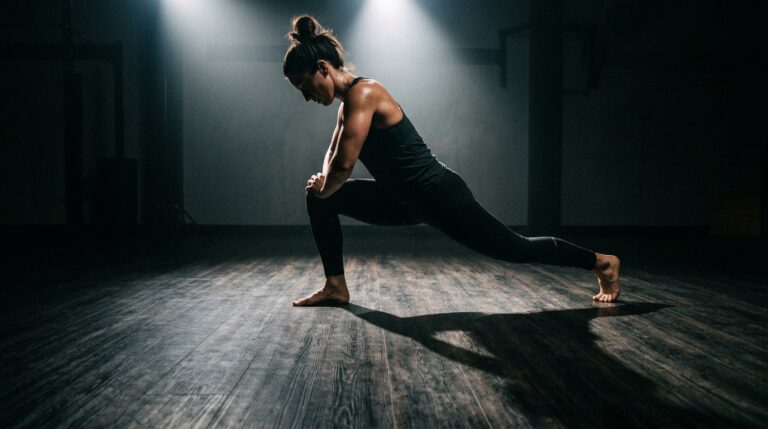
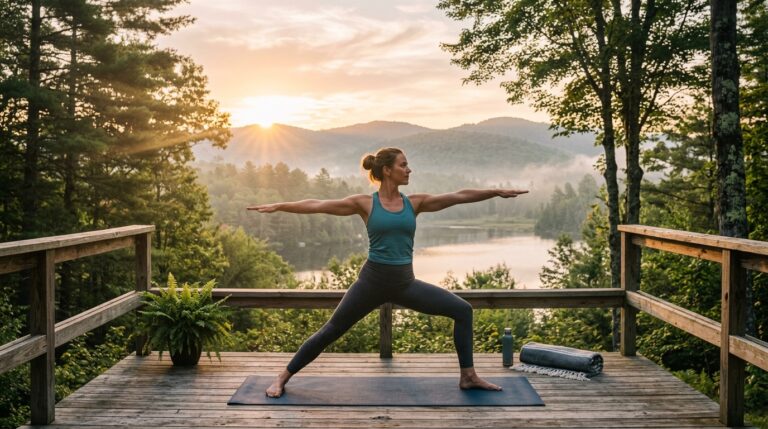
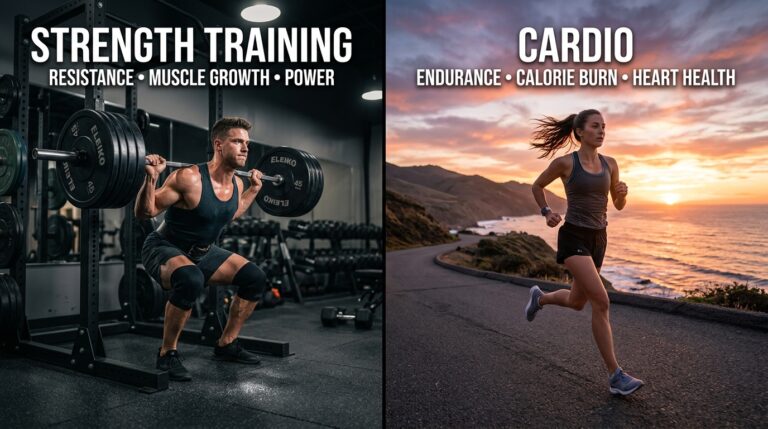
A well-rounded beginner routine typically includes a mix of strength training, cardiovascular activity, and flexibility work, supporting overall fitness rather than focusing narrowly on just one area.
Bodyweight Exercises as a Foundation
No Equipment Necessary
Exercises like squats, push-ups, lunges, planks, and glute bridges effectively build strength using just your body weight, making them an accessible starting point for home workouts.
Focus on Proper Form First
Learning correct form before increasing intensity or repetitions helps prevent injury and ensures you’re effectively targeting the intended muscles.
Adding Simple Equipment Over Time
Resistance Bands
Affordable and versatile, resistance bands add variety and progressive challenge to bodyweight exercises without requiring significant space or investment.
Dumbbells or Adjustable Weights
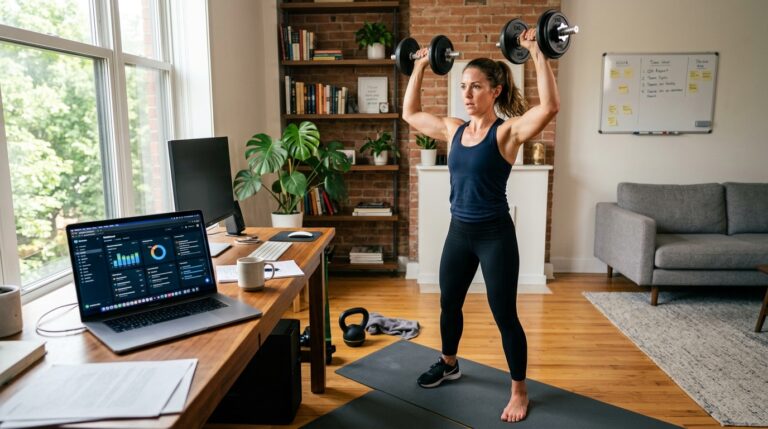
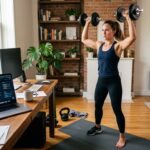
As bodyweight exercises become easier, incorporating light dumbbells allows for continued strength progression without needing a full gym setup.
Building a Simple Weekly Routine
Sample Beginner Structure
A basic weekly approach might include two strength-focused sessions targeting major muscle groups, one cardio-focused session like brisk walking or a home cardio workout, and dedicated stretching or mobility work on rest days.
Allow for Rest and Recovery
Rest days are an essential part of any routine, allowing muscles to recover and reducing the risk of overtraining, particularly important for beginners still adapting to regular exercise.
Staying Consistent and Motivated
Schedule Workouts Like Appointments
Treating workout sessions as fixed commitments in your schedule, rather than something to fit in “if there’s time,” significantly improves consistency.
Track Your Progress
Keeping a simple log of workouts, whether through an app or notebook, helps you visualize progress over time and stay motivated, even when changes feel gradual.
Find Ways to Make It Enjoyable
Incorporating music, following along with workout videos, or trying different exercise styles helps keep your routine engaging rather than feeling like a chore.
Listening to Your Body
Progress Gradually
Increasing intensity, repetitions, or resistance gradually over time allows your body to adapt safely, reducing the risk of injury from doing too much too soon.
Recognize the Difference Between Discomfort and Pain
Some muscle fatigue is a normal part of building strength, but sharp or persistent pain is a signal to stop and reassess, rather than push through.
Final Thoughts
Starting a home workout routine as a beginner doesn’t require elaborate equipment or complicated programs, it requires a realistic plan and consistent effort. By starting with bodyweight exercises, building a manageable weekly structure, and focusing on gradual progress, you can establish a sustainable fitness routine that fits naturally into your life and continues to grow with you over time.