
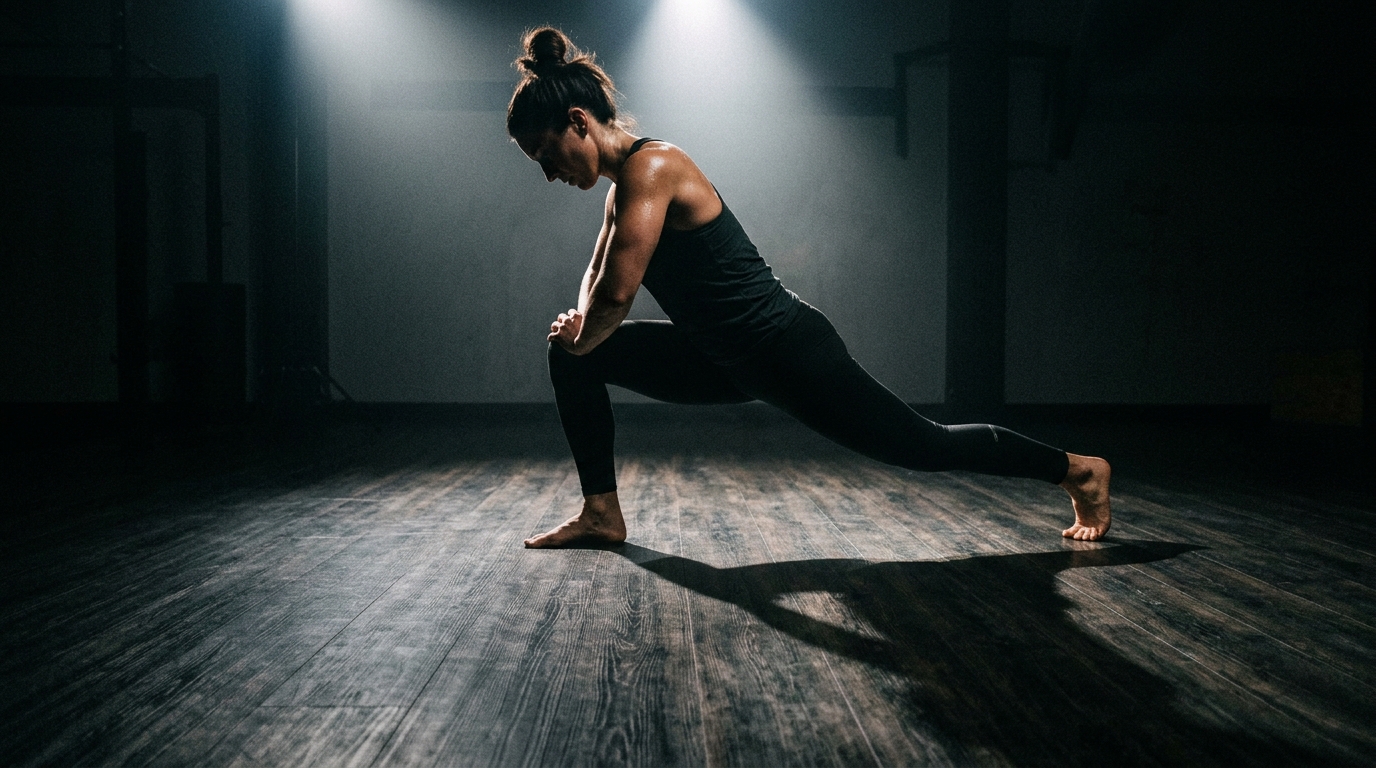
Flexibility often gets overlooked in favor of strength and cardio training, but regular stretching plays an important role in overall mobility, injury prevention, and even reducing everyday muscle tension. Incorporating a few simple stretches into your daily routine, even just ten minutes, can lead to noticeable improvements in flexibility over time. Here are ten effective stretches to get started.
Upper Body Stretches
Neck Rolls
Gently rolling your neck in slow, controlled circles helps release tension built up from sitting or looking at screens throughout the day, improving neck mobility and reducing stiffness.
Shoulder Rolls and Cross-Body Stretch
Rolling your shoulders backward and forward, followed by pulling one arm across your chest and holding, helps relieve tension in the shoulders and upper back, common areas of tightness for many people.
Overhead Triceps Stretch
Raising one arm overhead and bending it behind your head, gently pressing with the opposite hand, stretches the triceps and shoulder area, improving upper body mobility.
Chest Opener Stretch
Clasping your hands behind your back and gently lifting while opening your chest helps counteract the forward-hunched posture common from prolonged sitting or screen use.
Core and Back Stretches
Cat-Cow Stretch
Moving between arching and rounding your back on hands and knees improves spinal flexibility and helps relieve tension throughout the back.
Seated Spinal Twist
Sitting with legs extended and gently twisting your torso toward one side, using your arm for support, improves spinal rotation and can help relieve lower back tightness.
Child’s Pose
This resting stretch gently elongates the spine and stretches the hips, thighs, and lower back, offering a calming, restorative movement often used to close out a stretching routine.
Lower Body Stretches
Hamstring Stretch
Extending one leg forward while hinging gently at the hips, either seated or standing, stretches the hamstrings, an area particularly prone to tightness from prolonged sitting.
Hip Flexor Stretch
Stepping one leg forward into a gentle lunge position and shifting your weight forward stretches the hip flexors, which often become tight from extended periods of sitting.
Quad Stretch
Standing on one leg and gently pulling the opposite ankle toward your glutes stretches the front of the thigh, supporting better knee and hip mobility.
Tips for Effective Daily Stretching
Warm Up Before Deeper Stretches
Light movement, like a short walk or gentle dynamic movements, before deeper stretching helps prepare muscles and reduces the risk of injury during static stretches.
Hold Stretches Long Enough to Be Effective
Holding each stretch for roughly 20 to 30 seconds allows muscles enough time to relax and lengthen, offering more benefit than quick, rushed stretches.
Breathe Deeply Throughout
Focusing on slow, deep breathing while stretching helps your body relax more fully into each position, improving the overall effectiveness of the stretch.
Avoid Bouncing or Forcing a Stretch
Stretching should feel like gentle tension, not pain. Avoiding bouncing movements and never forcing a stretch beyond a comfortable range helps prevent injury.
Consistency Matters More Than Intensity
Stretching daily, even briefly, tends to produce better long-term flexibility improvements than occasional, more intense stretching sessions.
Final Thoughts
Incorporating these ten stretches into a short daily routine can meaningfully improve flexibility, reduce muscle tension, and support better overall mobility over time. Like most fitness habits, consistency matters more than intensity, making even a brief, regular stretching practice a valuable addition to your daily routine.