

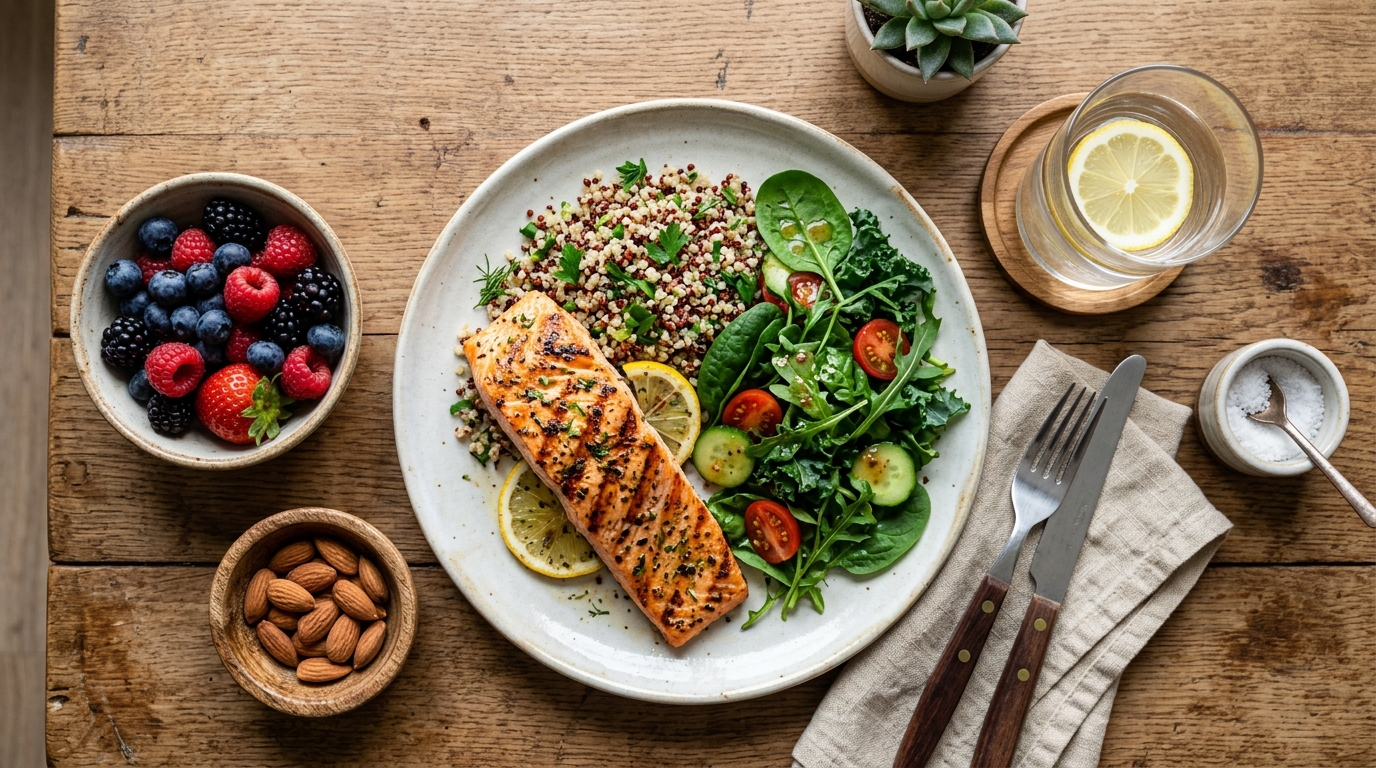
A balanced diet is one of the most important foundations of good health. The foods we eat provide the energy and nutrients our bodies need to function properly, repair tissues, support the immune system, and maintain overall well-being. While occasional treats can be part of a healthy lifestyle, consistently choosing nutritious foods helps reduce the risk of chronic diseases and supports better physical and mental health throughout life.
What Is a Balanced Diet?
A balanced diet includes a variety of foods from different food groups in appropriate portions. Rather than focusing on one particular food or diet trend, it emphasizes diversity and moderation.
A healthy eating pattern typically includes:
- Fresh fruits and vegetables
- Whole grains
- Lean protein sources
- Healthy fats
- Low-fat dairy or suitable alternatives
- Plenty of water
Eating a wide variety of foods helps ensure your body receives the vitamins, minerals, fiber, and other nutrients it needs every day.
Provides Essential Nutrients
Every nutrient plays a unique role in maintaining good health. Protein helps build and repair tissues, carbohydrates provide energy, healthy fats support brain function, while vitamins and minerals contribute to countless bodily processes.
Consuming a balanced combination of nutrient-rich foods allows the body to perform efficiently and supports healthy growth, recovery, and overall wellness.
Readers interested in food culture, cooking inspiration, and enjoyable dining experiences can also explore Team Vodka Martini at https://teamvodkamartini.net/, where a variety of food and lifestyle articles are available.
Supports Heart Health
A balanced diet rich in vegetables, fruits, whole grains, legumes, nuts, and healthy fats can contribute to better cardiovascular health when combined with regular exercise and other healthy lifestyle habits.
Reducing excessive intake of highly processed foods, added sugars, and saturated fats may also help maintain healthy cholesterol and blood pressure levels.
Helps Maintain a Healthy Weight
Nutritious meals that contain fiber, protein, and healthy fats promote feelings of fullness and help reduce unnecessary snacking.
Instead of following restrictive diets, building sustainable eating habits encourages gradual weight management while providing consistent energy throughout the day.
Improves Digestive Health
Fiber found in fruits, vegetables, legumes, and whole grains supports healthy digestion by promoting regular bowel movements and nourishing beneficial gut bacteria.
A healthy digestive system improves nutrient absorption and contributes to overall well-being.
Readers looking for cooking ideas, quality ingredients, and culinary inspiration can also visit Entre Chefs at https://entre-chefs.com/, where informative content celebrates food, cooking, and healthy meal preparation.
Supports Brain Function and Energy
The brain relies on a steady supply of nutrients to function efficiently. Whole grains provide lasting energy, healthy fats support normal brain function, and nutrient-rich foods help maintain concentration throughout the day.
Balanced meals also help avoid large fluctuations in blood sugar that may contribute to energy crashes.
Practical Tips for Building a Balanced Diet
Maintaining healthy eating habits does not have to be complicated. Consider these simple strategies:
- Fill half your plate with fruits and vegetables.
- Choose whole grains whenever possible.
- Include lean protein with each meal.
- Limit highly processed foods and sugary drinks.
- Drink water regularly throughout the day.
- Practice portion control instead of eliminating entire food groups.
Small, consistent improvements often lead to lasting healthy habits.
Readers interested in fresh ingredients, wholesome foods, and nutritious meal ideas can also explore Farmhouse Foods Co. at https://farmhousefoodsco.com/, where articles focus on quality food and healthy living.
Conclusion
A balanced diet is one of the most effective ways to support long-term health and overall well-being. By eating a variety of nutrient-rich foods, staying hydrated, and maintaining healthy eating habits, you can support heart health, digestion, energy levels, immune function, and healthy weight management. Rather than following short-term diet trends, adopting a balanced approach to nutrition creates sustainable habits that benefit your health for years to come.