
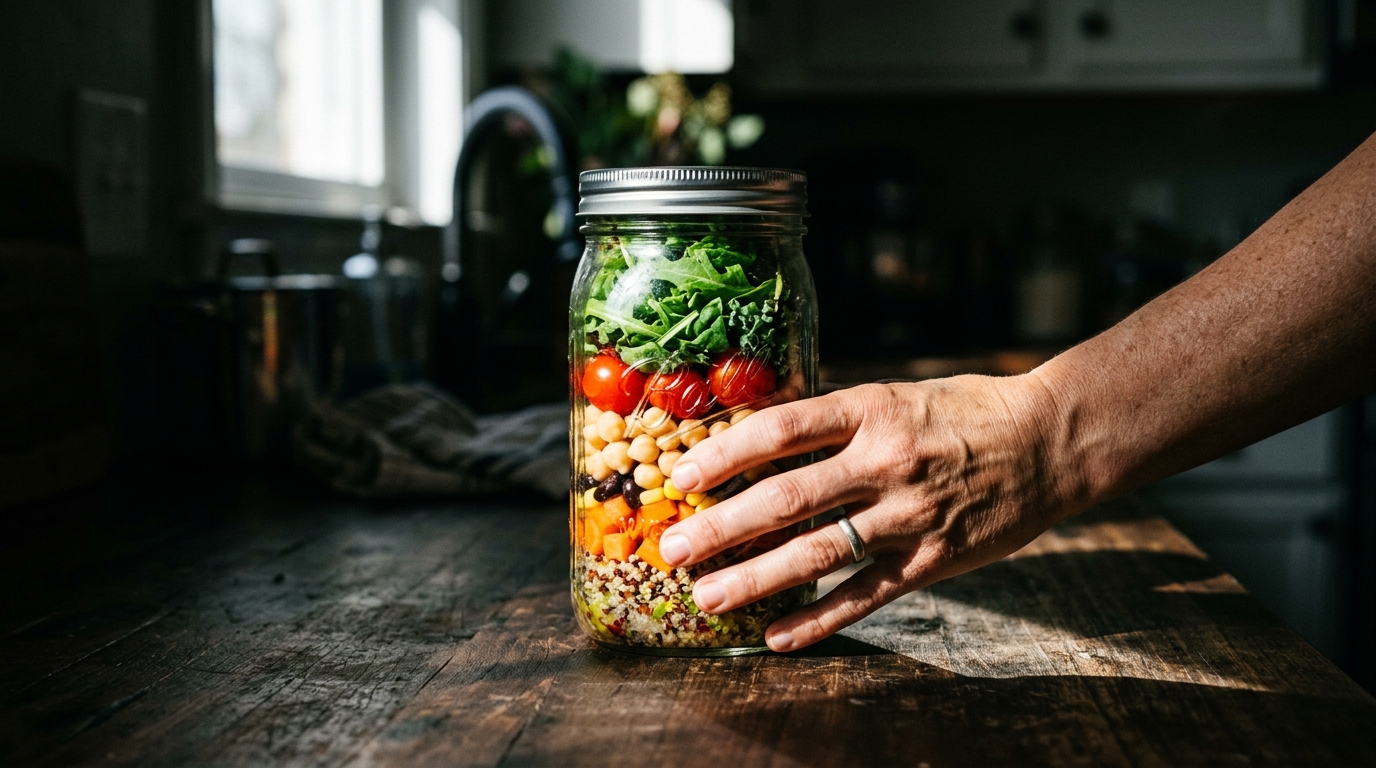
Weekday evenings often come with limited time and energy, making it tempting to reach for takeout or ultra-processed convenience foods. A little strategic prep can change that, helping you get a nutritious meal on the table without a nightly time crunch. Here’s how to make weekday eating easier without dedicating hours to daily cooking.
Rethink Your Weekly Approach
Plan Around Your Actual Schedule
Rather than planning identical meals for every night, consider which days are busiest and plan simpler, faster meals for those, saving more involved recipes for days with a bit more breathing room.
Choose a Manageable Number of Recipes
Trying to plan seven completely different dinners each week often leads to burnout. Rotating through four or five reliable, healthy recipes reduces decision fatigue and simplifies grocery shopping.
Front-Load the Work
Prep Ingredients, Not Just Full Meals
Washing, chopping, and portioning vegetables, proteins, and grains in advance means weekday cooking becomes more about assembly than starting from scratch, cutting active cooking time significantly.
Marinate Proteins Ahead of Time
Marinating chicken, tofu, or other proteins the night before or over the weekend allows flavors to develop while reducing prep time on the actual cooking day.
Pre-Cook Grains and Legumes
Cooking a batch of rice, quinoa, or beans early in the week means these components are ready to go, cutting down cooking time for multiple meals throughout the week.
Use Quick-Cooking Techniques
Embrace One-Pan and Sheet Pan Meals
Cooking proteins and vegetables together on a single sheet pan or in one pot minimizes both cooking time and cleanup, making it ideal for hectic weeknights.
Rely on Quick-Cooking Proteins
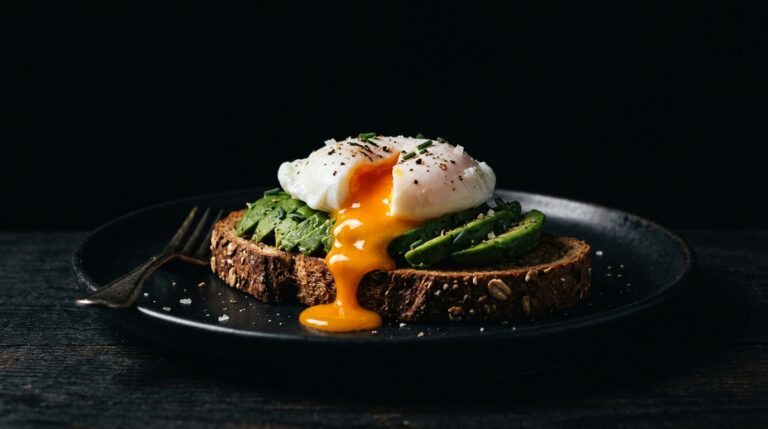
Foods like eggs, canned beans, ground meat, or thin-cut chicken cook significantly faster than larger cuts, making them practical choices for time-crunched evenings.
Keep a Stir-Fry or Grain Bowl Formula on Hand
Having a go-to formula, protein, vegetables, sauce, and a base like rice or noodles, allows you to quickly combine prepped ingredients into a satisfying meal with minimal recipe-following required.
Build a Weekday-Friendly Pantry
Stock Versatile Staples
Keeping items like canned beans, frozen vegetables, pre-cooked grains, and simple sauces on hand ensures you always have the building blocks for a quick, balanced meal, even on nights you didn’t specifically plan ahead.
Keep Healthy Freezer Options Ready
Portioned, homemade freezer meals or components, like pre-cooked ground turkey or portioned soup, offer a healthier backup option than defaulting to takeout on unexpectedly hectic days.
Simplify Cleanup and Logistics
Cook in Bulk When You Do Cook
When preparing a dish that reheats well, doubling the recipe means you get an extra meal with minimal additional effort, effectively prepping for a future weekday without extra time investment.
Use Minimal, Easy-to-Clean Cookware
Choosing recipes that rely on fewer pots and pans reduces the post-dinner cleanup, making the entire process feel less draining on already busy evenings.
Staying Flexible
Allow for Imperfect Weeks
Some weeks won’t go as planned, and that’s normal. Having a few reliable backup options, like a simple omelet or a quick salad with pre-cooked protein, keeps you from abandoning healthy eating altogether during unpredictable weeks.
Adjust Based on What Works
Pay attention to which prep strategies actually save you time and stress, and which ones don’t feel worth the effort, refining your approach over time based on your real routine.
Final Thoughts
Healthy eating on busy weekdays doesn’t require elaborate meal prep sessions, it requires a system that fits realistically into your schedule. By prepping key components in advance, relying on quick-cooking techniques, and keeping a well-stocked pantry, you can consistently put together nutritious meals, even on your most hectic evenings.