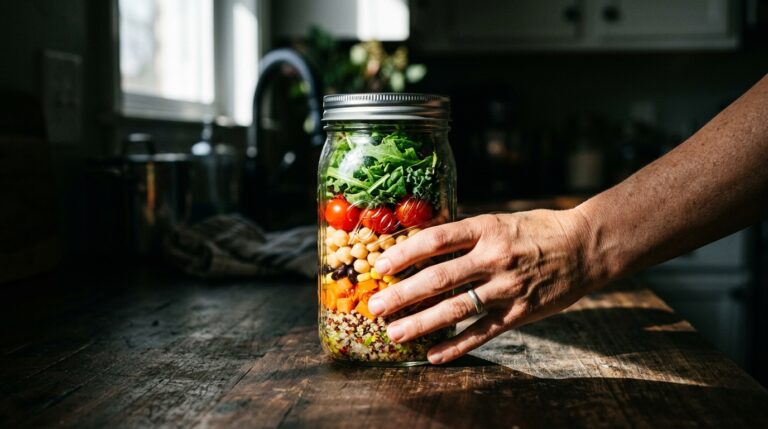


Preparing healthy meals at home is one of the best ways to support your family’s overall well-being. Home cooking gives you complete control over ingredients, portion sizes, and cooking methods, making it easier to create balanced meals that are both nutritious and delicious. You do not need professional culinary skills to prepare wholesome food. With a little planning and a few practical techniques, anyone can make healthy family meals part of their daily routine.
Plan Your Meals in Advance
Meal planning helps save time, reduce food waste, and make grocery shopping more efficient. Creating a weekly menu allows you to purchase only the ingredients you need while ensuring your family enjoys a variety of nutritious foods.
Preparing a shopping list before visiting the grocery store also helps avoid unnecessary purchases of highly processed snacks and convenience foods.
Focus on Balanced Ingredients
A healthy meal should include a balance of vegetables, lean protein, whole grains, and healthy fats. Colorful vegetables provide vitamins and antioxidants, while protein-rich foods help support muscle health and keep everyone feeling full for longer.
Whole grains such as brown rice, oats, and whole-wheat pasta offer more fiber than refined grains, making them a smart addition to family meals.
Readers looking for cooking inspiration, recipes, and food-related ideas can also explore Foody Goody at https://foody-goody.com/, where a variety of articles celebrate home cooking and delicious meals.
Choose Healthier Cooking Methods
The way food is prepared can significantly affect its nutritional value. Baking, grilling, steaming, roasting, and stir-frying with small amounts of healthy oils are often better choices than deep frying.
Using fresh herbs, garlic, ginger, lemon juice, and natural spices can enhance flavor without relying heavily on salt or sugar.
Include More Fruits and Vegetables
Adding fruits and vegetables to every meal is one of the simplest ways to improve nutrition. Fresh produce supplies important vitamins, minerals, fiber, and antioxidants that support overall health.
Try adding vegetables to soups, pasta dishes, sandwiches, omelets, or casseroles to increase daily intake without dramatically changing familiar recipes.
Readers interested in healthy eating habits, nutrition advice, and wellness-focused meal ideas can also visit Eat Well and Live Long at https://eatwellandlivelong.com/, where informative content encourages healthier lifestyles.
Prepare Meals Together
Cooking as a family makes mealtime more enjoyable while teaching valuable life skills. Children who help prepare meals often become more willing to try new foods and develop healthier eating habits from an early age.
Simple tasks such as washing vegetables, mixing ingredients, or setting the table encourage participation and create positive family experiences.
Reduce Processed Foods
Convenience foods can save time, but many contain excessive amounts of sodium, added sugars, and unhealthy fats. Preparing meals from fresh ingredients allows you to better manage nutritional quality while creating flavorful dishes.
Keeping healthy snacks like fresh fruit, yogurt, nuts, and vegetables readily available also supports better daily eating habits.
Readers who appreciate traditional food, natural ingredients, and wholesome cooking can also explore Meadow View Sugar House at https://meadowviewsugarhouse.com/, where food enthusiasts can discover informative culinary content.
Explore New Recipes and Local Flavors
Trying new recipes keeps family meals interesting and encourages dietary variety. Exploring regional cuisines can introduce healthier ingredients and cooking styles while making mealtime more enjoyable.
For readers looking to discover restaurant menus, local food options, and dining inspiration in Pakistan, Menu.net.pk at https://menu.net.pk/ offers useful information about a wide range of eateries and cuisines.
Conclusion
Healthy home cooking does not have to be complicated or time-consuming. By planning meals, choosing balanced ingredients, using healthier cooking methods, increasing fruit and vegetable intake, reducing processed foods, and involving the whole family in meal preparation, you can create nutritious meals that everyone enjoys. Small, consistent improvements in the kitchen can lead to healthier eating habits and lasting benefits for the entire family.